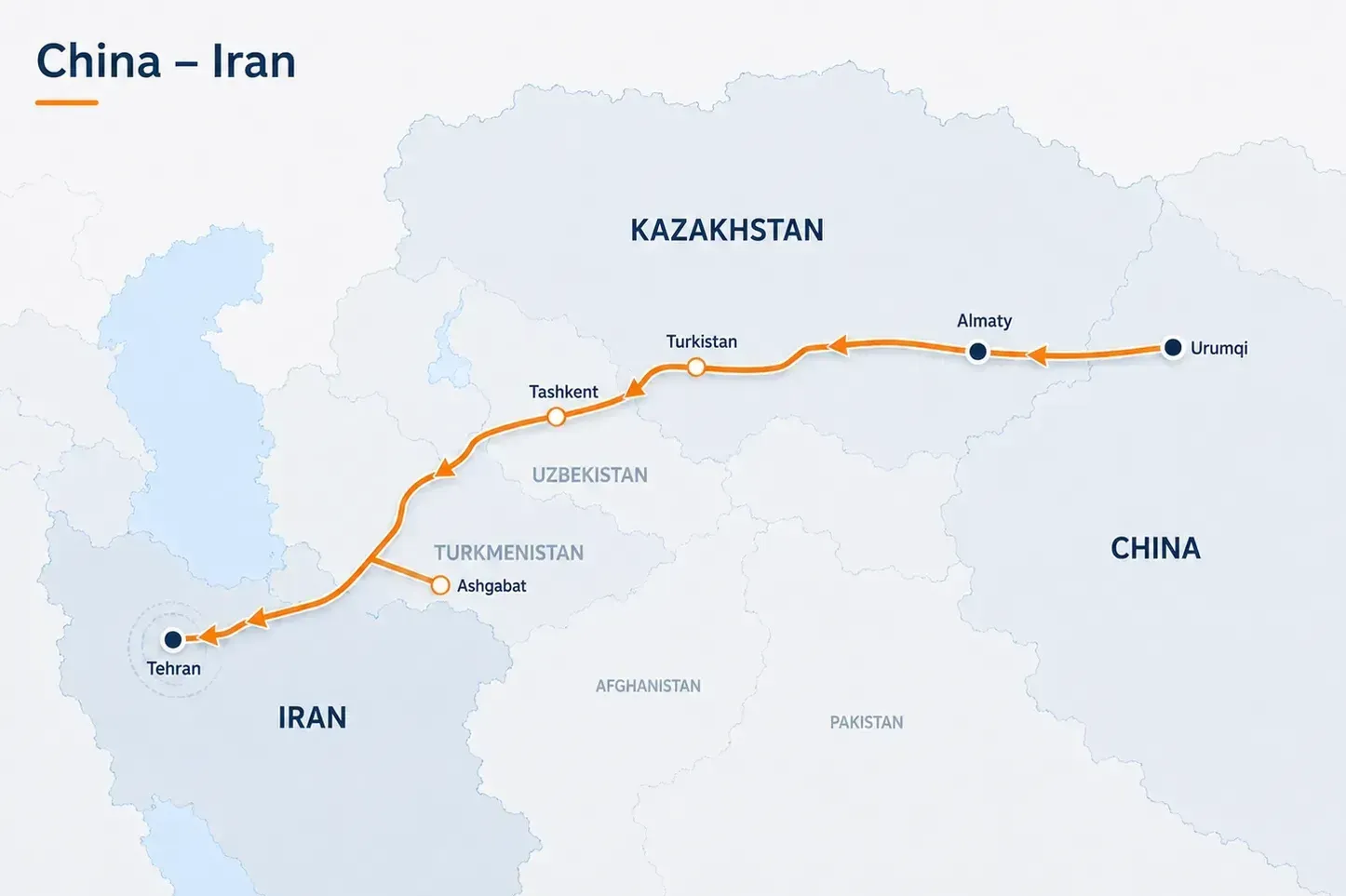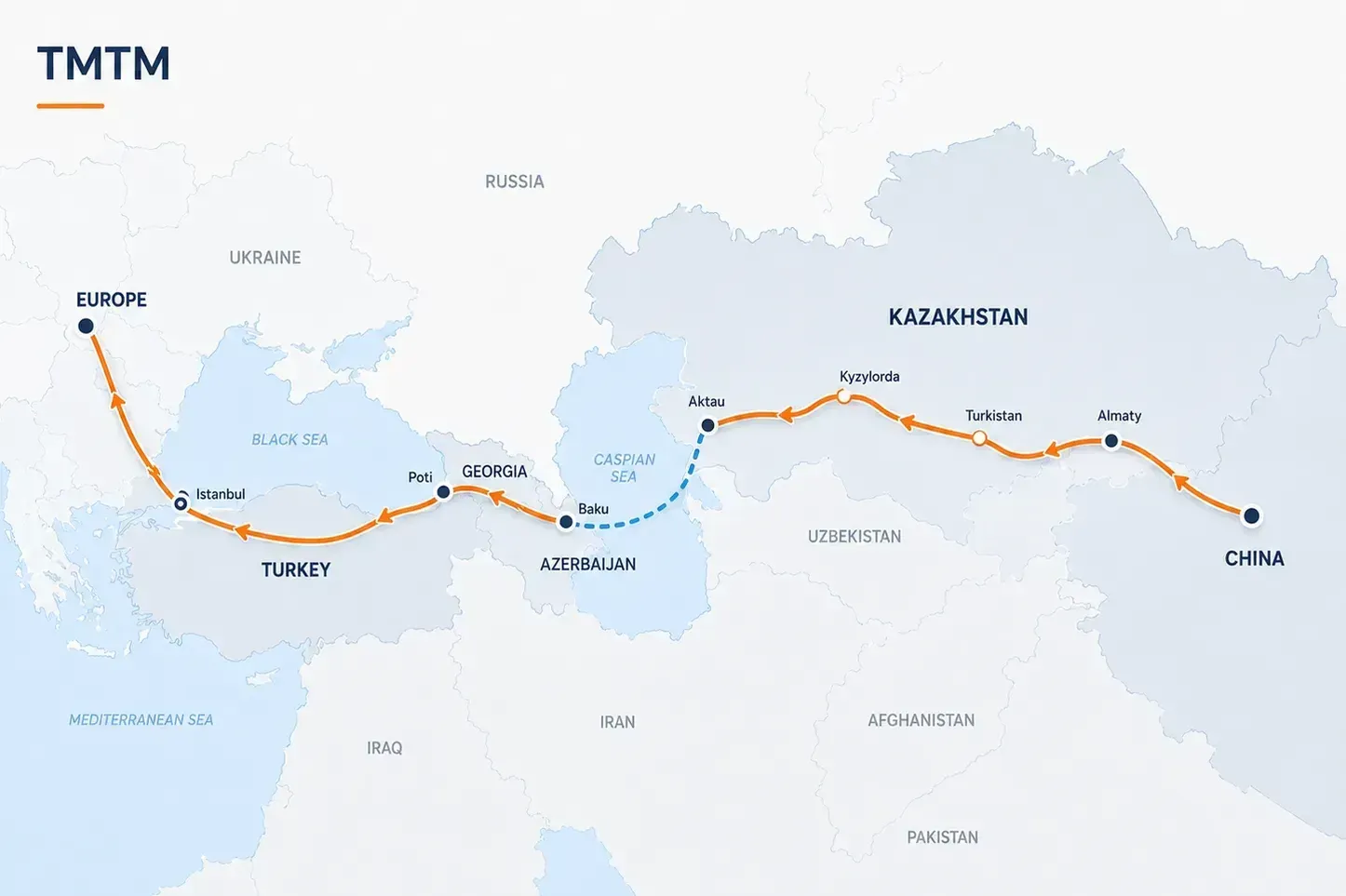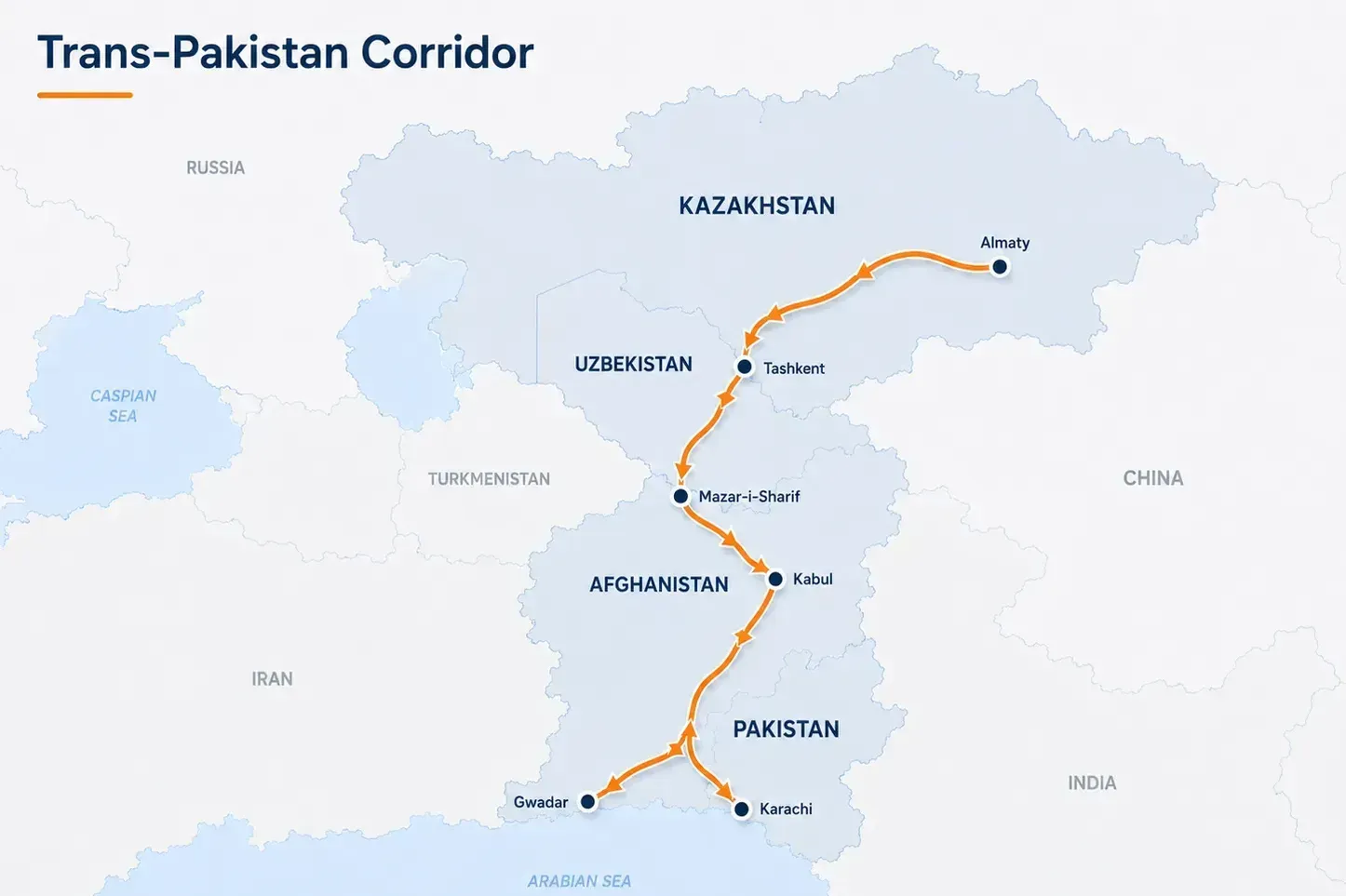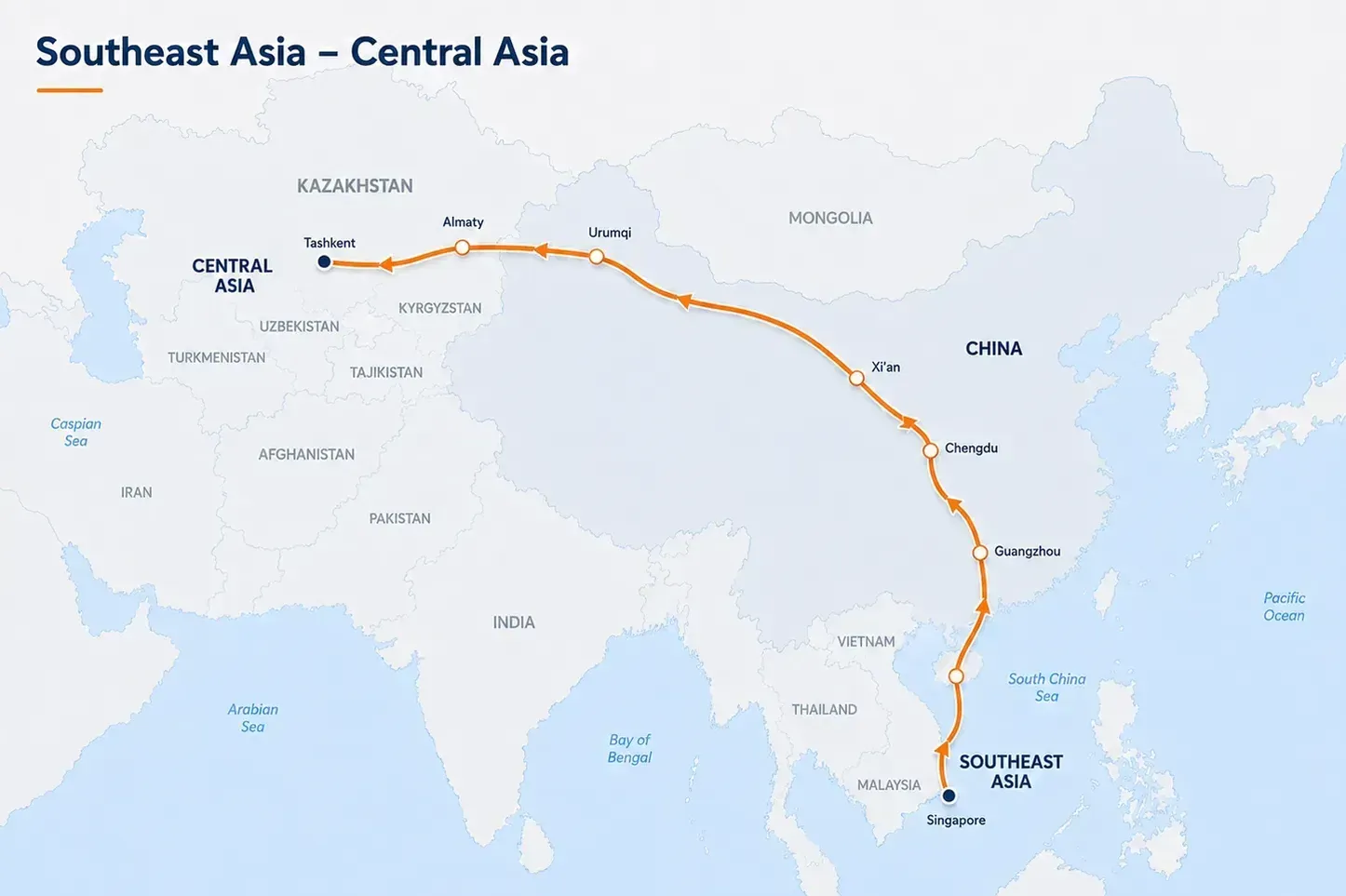

About the China–Iran route
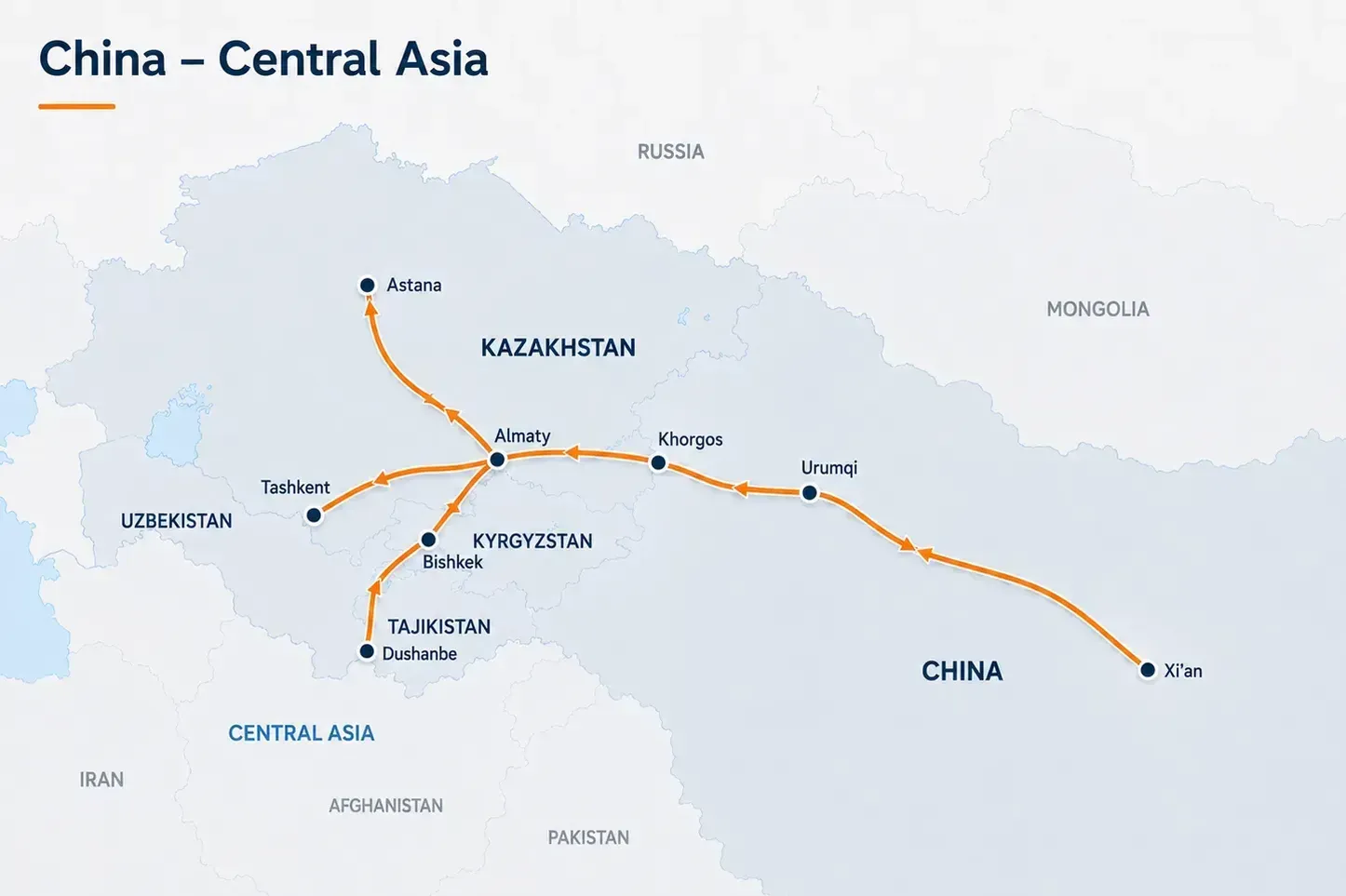
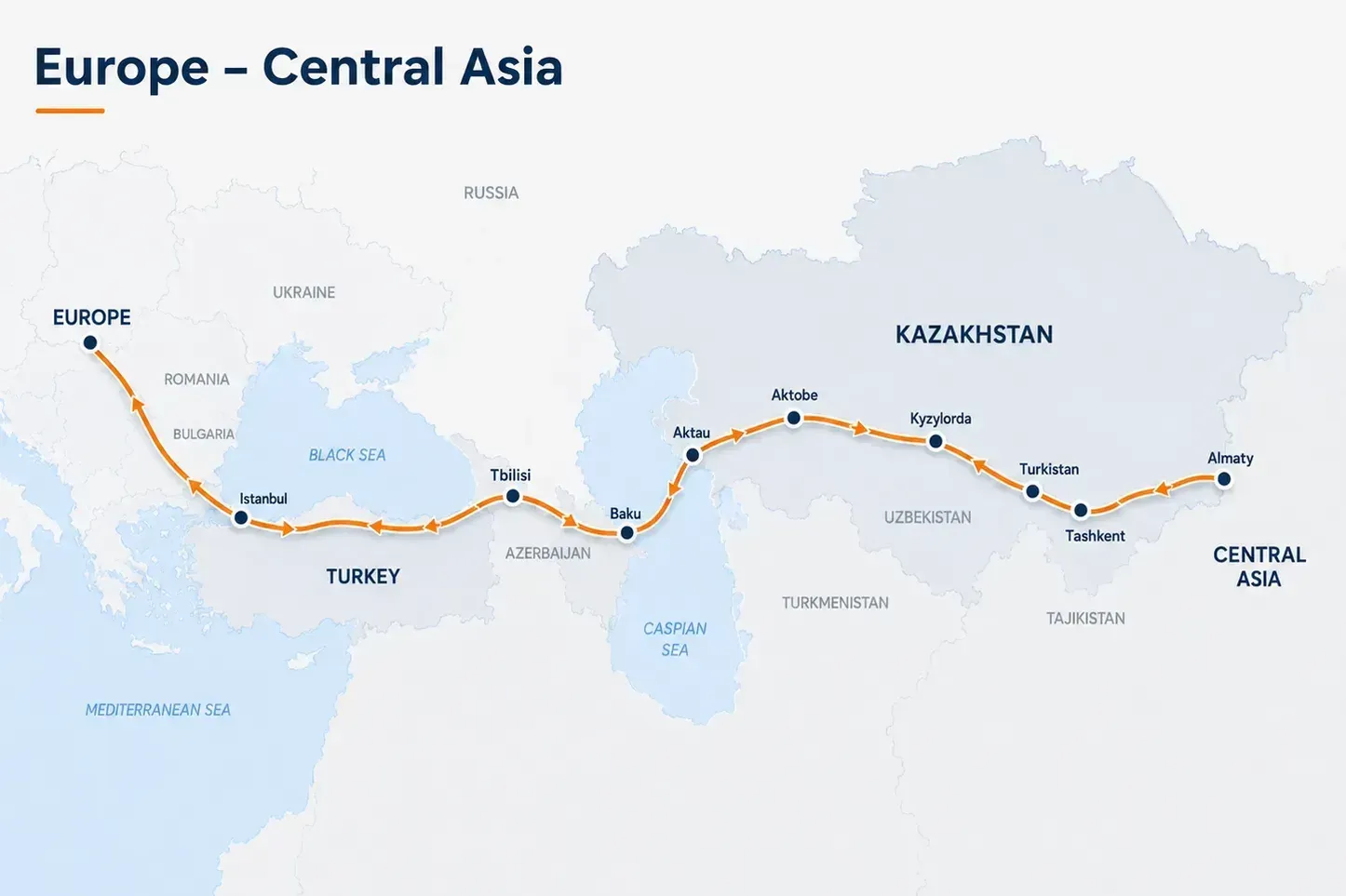
This direction is used for commercial and industrial cargo between Chinese manufacturing regions and Iran. Depending on origin, cargo characteristics and available infrastructure, transportation may be arranged by rail, road or a combined scheme through Central Asian countries.
The route requires coordination of several transit legs, border crossings, transport documents and handling conditions. COLOS develops the scheme, coordinates carriers and terminals, controls cargo handovers and provides one point of contact for the client.
Transportation process
01. Cargo review
We confirm the description, HS code, weight, volume, dimensions, packaging and storage conditions.
02. Pickup in China
The cargo is moved from the shipper's warehouse to a rail station, terminal or road consolidation point.
03. Main leg in China
The cargo is transported to the agreed border crossing by rail or road.
04. Transit through Central Asia
Movement, transshipments, documents and handovers between carriers are controlled throughout the transit legs.
05. Entry into Iran and final delivery
After the border, the cargo is handed to a local carrier or continues by rail to the destination terminal or consignee warehouse.
Route advantages
- overland connection between China and Iran;
- rail, road or combined options;
- suitable for regular commercial shipments;
- flexibility by origin and destination city;
- control of transit legs;
- single coordination of documents and cargo status.
Cargo categories
Containerized shipments, industrial equipment, components, consumer goods, raw materials and supplies. Oversized, heavy, dangerous, temperature-controlled and other regulated cargo is reviewed individually after checking the route.
Transit time and cost
The quotation depends on the origin city in China, destination in Iran, transport mode, transit scheme, number of transshipments, border congestion, cargo weight, volume and special requirements. The final rate is confirmed after checking carrier and terminal availability.
Required documents
The list depends on the commodity, transport mode and transit-country requirements.
- commercial invoice;
- packing list;
- product description and HS code;
- shipping instructions and shipper and consignee details;
- rail or road waybill;
- certificates of origin, conformity and quality when required;
- permits, licenses and safety data sheets for regulated goods.
For preliminary review, provide the product name and purpose, country of origin, pickup address and destination, weight, volume, package count, dimensions, packaging and any special characteristics.