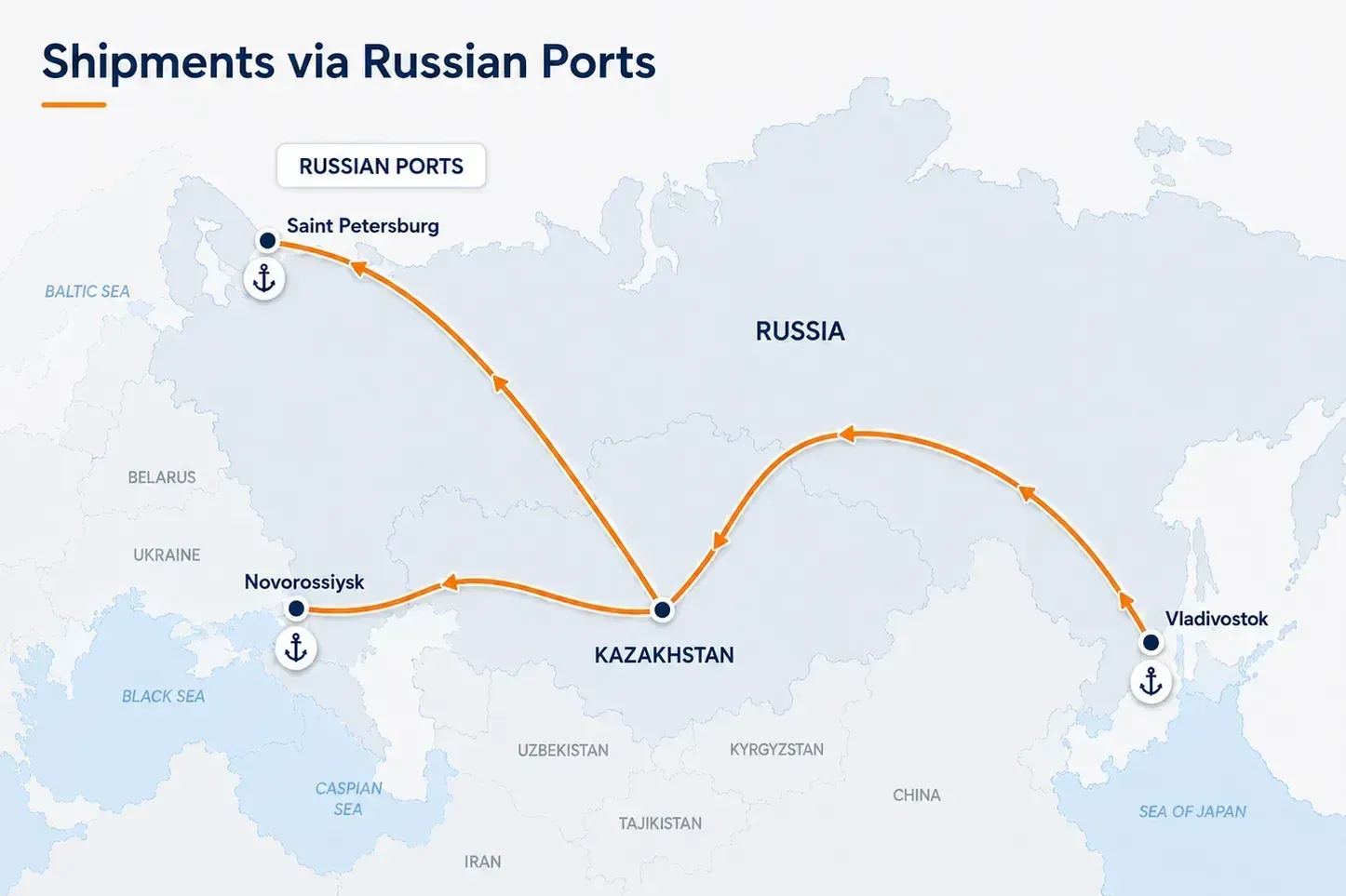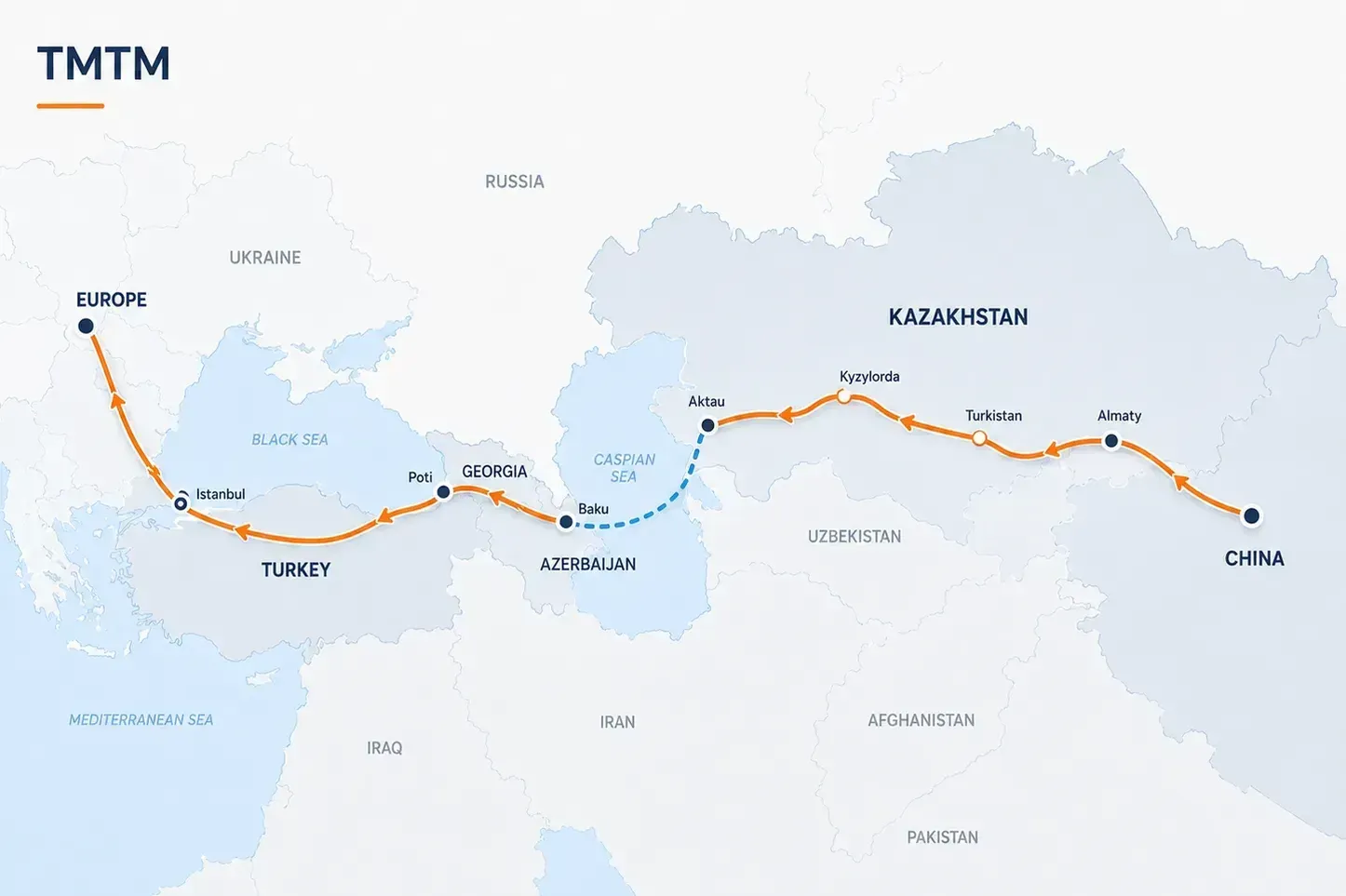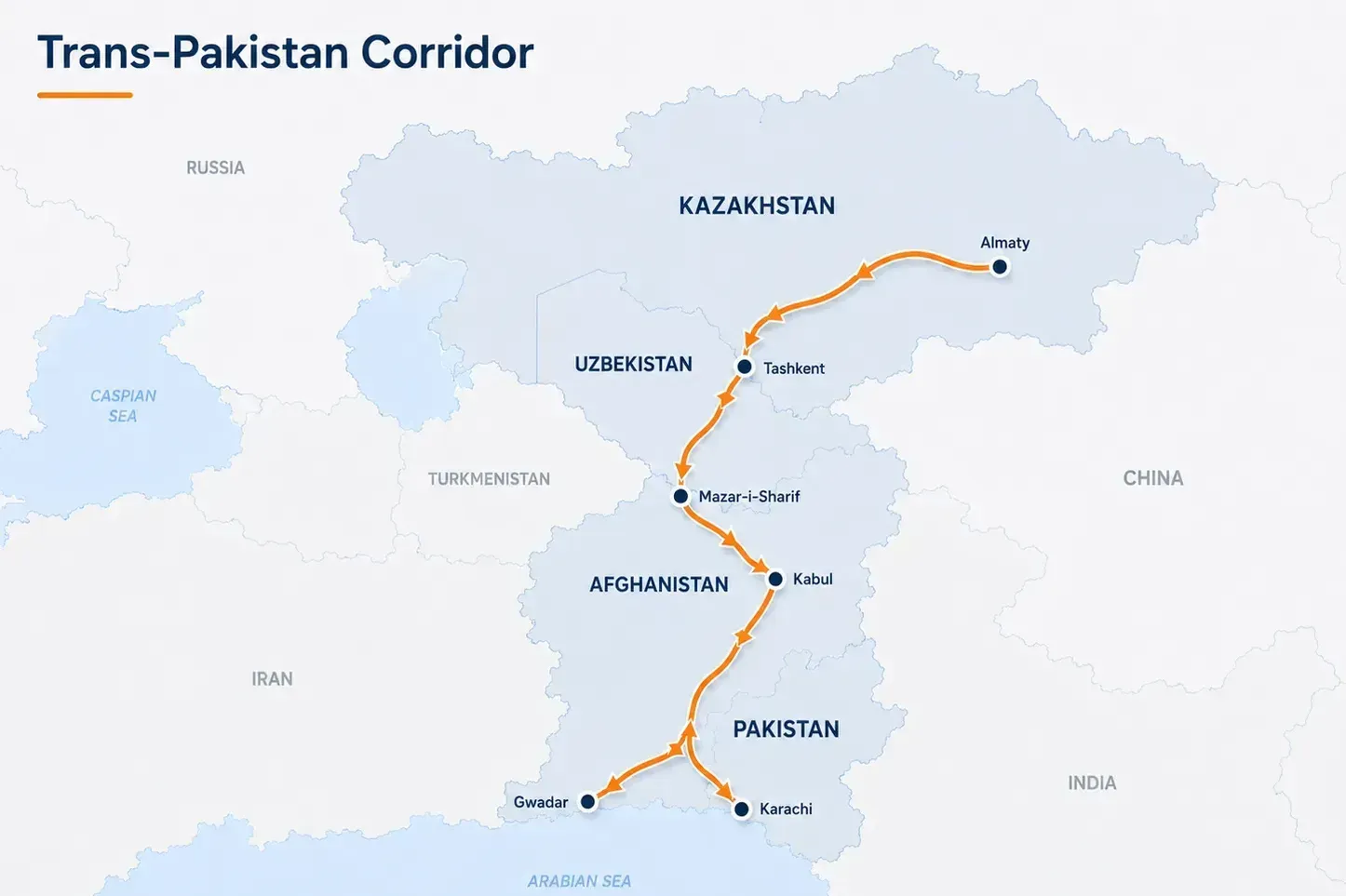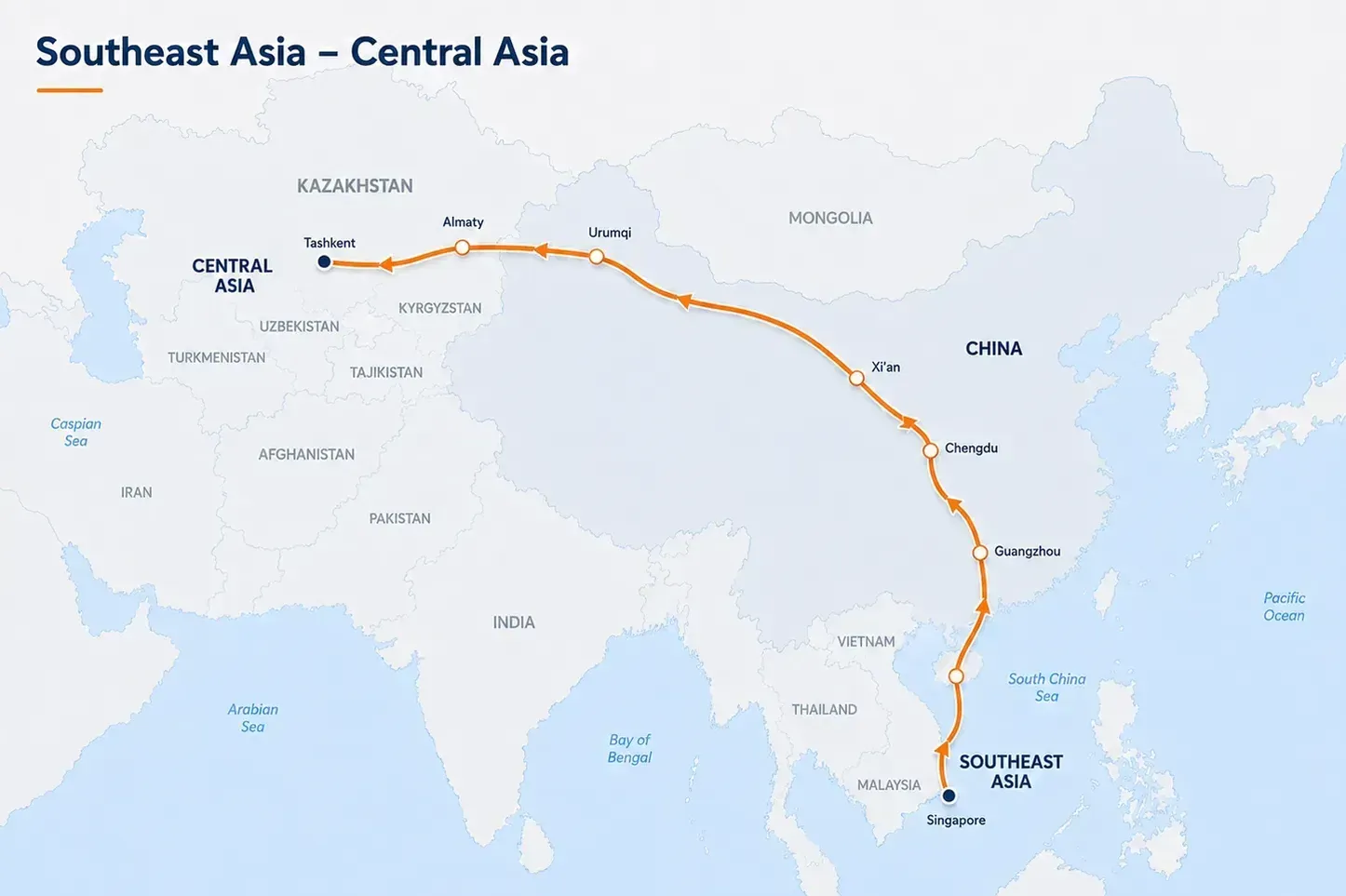

About transportation via Russian ports
This direction combines sea freight, port handling and onward delivery by rail or road. It may be used for cargo arriving from overseas ports to Russia and continuing to Kazakhstan and other Central Asian countries, as well as for shipments in the reverse direction.
The port is selected according to the origin country, shipping line, container type, cargo characteristics, terminal availability and final destination. COLOS coordinates the shipping line, port terminal and inland carrier, controls the documents and manages cargo handovers.
Transportation process
01. Shipment preparation
Cargo parameters are confirmed and the port, shipping line, container, packaging and tentative schedule are selected.
02. Delivery to the port of loading
First-mile transport, terminal acceptance and preparation for vessel loading are arranged.
03. Sea freight
The cargo moves to the agreed Russian port while the inland leg is planned in parallel.
04. Discharge and terminal handling
After arrival, the container is discharged, accepted, documented and prepared for pickup.
05. Inland transit
The cargo is handed to a rail or road carrier and moved to Kazakhstan or another Central Asian country.
06. Final mile
After arrival at the destination terminal, delivery to the consignee warehouse is organized.
Route advantages
- access to international shipping lines;
- combination of sea, rail and road transport;
- suitable for containerized shipments;
- selection of port and terminal for the specific task;
- control of port operations and stage connections;
- single coordination of sea and inland legs.
Cargo categories
Containerized shipments, industrial equipment, components, consumer goods, raw materials and supplies. Oversized, heavy, dangerous, temperature-controlled and other regulated cargo is accepted after approval by the shipping line, port and inland carrier.
Transit time and cost
The final conditions depend on the port of loading, shipping line, Russian terminal, vessel schedule, port handling, inland route, container type, cargo weight, volume and special requirements. The quotation is prepared after the line, terminal and available inland leg are confirmed.
Required documents
The set depends on the cargo, shipping line, port and inland leg.
- commercial invoice;
- packing list;
- product description and HS code;
- shipping instructions and shipper and consignee details;
- bill of lading or sea waybill;
- rail or road waybill for the inland leg;
- certificates of origin, conformity and quality when required;
- permits, licenses and safety data sheets for regulated cargo.
For review, provide the port or country of origin, final destination, cargo characteristics, weight, volume, package count, dimensions, container type, packaging, storage conditions and special properties.